


-

Add: HeBei ShengShi HongBang Cellulose Technology CO.,LTD.
-

Email
13180486930@163.com -

CONTACT US
+86 13180486930




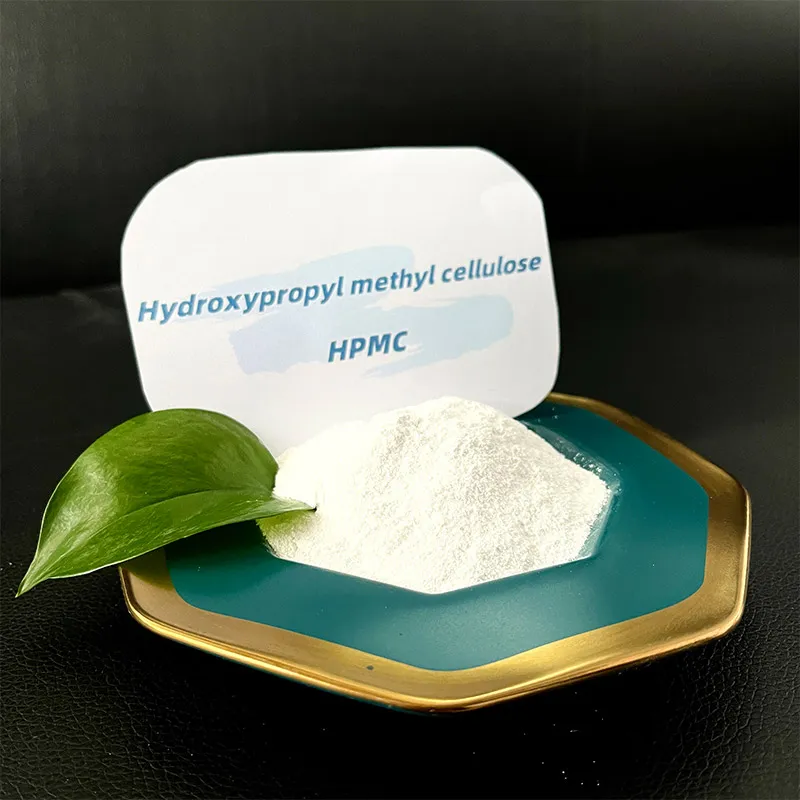
Hydroxypropyl Methylcellulose (HPMC) has seen a surge in demand across various industries, making the buying process an area of great interest. For those seeking to purchase HPMC, having a comprehensive understanding of the product, coupled with insights from industry professionals, is essential. An important characteristic of HPMC is its versatile applicability. With its non-toxic, tasteless, and odorless attributes, it is commonly used in pharmaceuticals, construction, food, and personal care products. In pharmaceuticals, HPMC acts as a binder and time-release agent, ensuring effective delivery of active ingredients. For construction, it enhances water retention and workability in products like cement and mortar, showcasing its pivotal role in the building sector. Purchasing HPMC demands expertise from industry insiders who emphasize the importance of quality . Experts recommend sourcing from certified manufacturers who adhere to international standards such as ISO and GMP. These certifications guarantee that the HPMC is manufactured under stringent quality control, ensuring product reliability and safety for end-users. Real-world experience highlights the importance of considering particle size and viscosity levels when buying HPMC. Different applications require specific viscosity ranges; for instance, higher viscosity HPMC is ideal for tile adhesives, whereas lower viscosity types might be better for pharmaceutical applications. Experienced professionals suggest requesting product samples to conduct application-specific tests before making bulk purchases. This not only ensures compatibility but also prevents potential product wastage. Authoritative voices in the industry emphasize the significance of understanding regional regulations. Product compliance can often vary depending on geographical location, affecting the import and usage of HPMC. Therefore, it is advisable to consult with regional experts and legal advisors to navigate through these regulatory frameworks effectively. hpmc buy Trustworthiness in the HPMC supply chain is another crucial factor. Buyers are advised to perform due diligence on suppliers. This includes reviewing company histories, customer testimonials, and case studies. Opting for suppliers with a proven track record, robust customer support and transparent business practices can significantly diminish risks associated with quality and delivery schedules. For ensuring seamless transactions, economic considerations play a pivotal role. Bulk purchasing can lead to significant cost reductions. However, financial experts suggest balancing purchase volume with inventory management to avoid overstocking, which could lead to increased holding costs. Developing a strategic purchasing plan with flexible terms can optimize financial outcomes while securing a steady supply of HPMC. Finally, leveraging technology can greatly aid in the HPMC procurement process. Utilizing supply chain management software can streamline operations, providing real-time updates on inventory levels, shipment tracking, and vendor communication. Such tools enhance efficiency, ensuring that the acquisition process aligns with business objectives. In conclusion, buying HPMC involves a blend of understanding its applications, ensuring quality through certified suppliers, adhering to regulations, establishing trust with vendors, managing economic factors wisely, and incorporating technological solutions. By focusing on these aspects, businesses can make informed decisions, optimizing the benefits of HPMC across their respective industries.
- 40000tons

Production
- 20+years

Experience
- 5000+㎡

Acreage

-
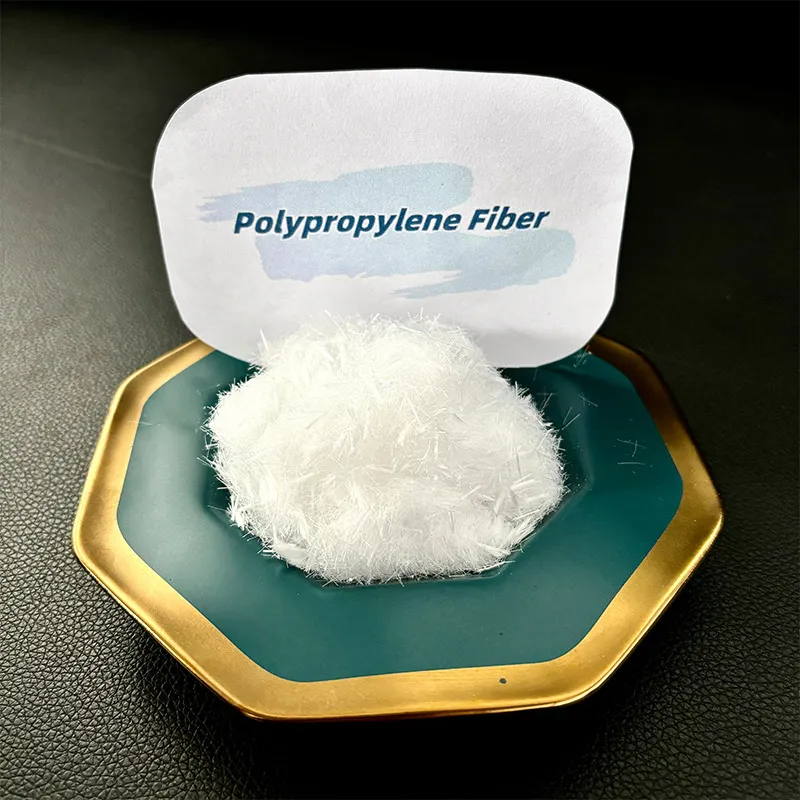
Navigating the complex world of synthetic fibres involves understanding their multifaceted applications, strengths, and sustainability aspects. As a key player in the textile industry, synthetic fibres offer unparalleled diversity and utility, making them indispensable across various sectors. This article delves into the unique characteristics of synthetic fibres, providing insights drawn from extensive research and industry experiences. Synthetic fibres, made through processes like polymerisation, originate from petroleum-based raw materials such as coal and natural gas. This method of production provides these materials with qualities like high durability, elasticity, and stain resistance, which natural fibres sometimes lack. A clear advantage of synthetic fibres is their ability to be tailored to specific functions, allowing for a broad range of applications. For instance, in the fashion industry, polyester and nylon remain preferred choices due to their stretchability, resilience, and ability to retain shape—a critical factor for everyday wear. Taking a closer look at polyester, one of the most widely utilized synthetic fibres, we find its prominence not just in clothing but also in home furnishings and industrial applications. Polyester's resistance to environmental factors makes it ideal for outdoor situations, where it shields wearers from extreme weather and retains its properties despite exposure to moisture. In terms of sustainability, recent advancements have led to the emergence of recycled polyester, which stems from repurposed plastic bottles and reduces environmental impact, highlighting a shift towards more eco-friendly production practices. Nylon, another dominant synthetic fibre, known for its exceptional strength and elasticity, revolutionised industries upon its introduction. It serves critical roles in manufacturing durable goods like ropes, nets, and even seatbelts in vehicles. Its application doesn't end with utilitarian products; in the fashion industry, nylon is praised for creating lightweight, breathable apparel that combines comfort with longevity. With the technology landscape rapidly evolving, synthetic fibres have embraced the integration of nanotechnology to further expand their horizons. This integration allows for the development of high-performance clothing with added functionalities such as UV protection, moisture-wicking capabilities, and even antibacterial properties. The future potentials of synthetic fibres in enhancing wearable tech cannot be overstated, offering limitless possibilities in smart clothing and beyond. fibre synthetic fibre Amidst their innumerable benefits, the environmental impact of synthetic fibres warrants attention . The global industry is making significant strides towards greater sustainability, focusing on reducing the carbon footprint of fibre production. Biodegradable synthetic fibres are now under research and development, promising solutions to the issue of textile waste. The fashion industry is actively pursuing circular economy models, encouraging recycling and reuse to prolong the lifecycle of garments. For consumers and industries alike, the choice of fibre has become increasingly crucial. Selecting synthetic fibres involves balancing between performance needs and environmental considerations. Assessing a product’s lifecycle and opting for brands committed to sustainable practices aligns with environmentally conscious consumerism. This responsibility extends to manufacturers, who must innovate continually to refine their methods, decreasing reliance on fossil fuels and integrating renewable energy sources into production. The credibility of synthetic fibre manufacturers is further enhanced through certifications and adherence to international standards. Organizations such as the Global Recycle Standard (GRS) and OEKO-TEX certification provide assurance of quality and eco-friendly practices, boosting consumer confidence and fostering trust in synthetic textile products. In conclusion, synthetic fibres represent a nuanced sector of the textile industry, underpinned by their adaptability, innovation, and potential for sustainability. The commitment to improving production processes and product offerings while addressing environmental concerns ensures that synthetic fibres will remain a crucial component of modern and future textile solutions. By making informed choices and supporting sustainable initiatives, both consumers and producers can drive positive change within this pivotal sector.
-
HPMC Monograph Your Comprehensive Guide to Understanding Hydroxypropyl Methylcellulose in Product Formulation Hydroxypropyl Methylcellulose (HPMC) is an essential ingredient in a vast array of industries, from pharmaceuticals to food production, and even household products. With its remarkable versatility and properties, HPMC has become a crucial component for formulators across the globe. This monograph aims to unravel the complexities of HPMC, offering insights based on experience, expertise, and research-backed authority to enhance understanding and trust in its application. HPMC A Multifaceted Polymer HPMC belongs to the class of cellulose ethers, produced through the chemical modification of cellulose, the most abundant biopolymer on Earth. Adding hydroxypropyl and methyl groups to cellulose results in HPMC, a polymer renowned for its solubility in cold water, film-forming abilities, and non-toxic nature. These characteristics make it an invaluable excipient in product formulations. Applications Across Industries 1 . Pharmaceuticals In drug formulation, HPMC plays a pivotal role as a controlled-release agent, binder, and film-coating material. Its ability to form viscous solutions and gels helps maintain drug stability and enhance bioavailability. These properties are crucial for developing both generic and brand-name medications, ensuring consistent therapeutic effects. 2. Food Industry As a food additive, HPMC serves as a thickener, stabilizer, and emulsifier. It is commonly found in products like baked goods, sauces, and low-calorie foods. Its heat and pH stability ensure that textures remain desirable in various culinary applications, offering an enhanced eating experience. 3. Construction Materials In the construction sector, HPMC is utilized in tile adhesives, cement mixtures, and exterior wall coatings. Its water retention and adhesive properties enhance the workability of these materials, providing durable and efficient building solutions. 4. Cosmetics and Personal Care HPMC is used for its film-forming and thickening properties in products such as shampoos, lotions, and creams. It enhances the texture and stability of these formulations, contributing to a positive consumer experience. Expert Insight The Science Behind HPMC's Functionality hpmc monograph The utility of HPMC in various applications is fundamentally linked to its molecular structure and interaction with other formulation components. The degree of substitution and molecular weight of HPMC can be tailored to meet specific application needs. Researchers and product developers must consider viscosity grades and solubility profiles to optimize the performance of HPMC in their formulations. Studies have demonstrated the superior film-forming capabilities of HPMC, noting its resilience and flexibility, which are critical factors in ensuring long-term functionality. Additionally, HPMC's bioadhesive properties make it an excellent candidate for mucoadhesive drug delivery systems, further expanding its versatility in pharmaceutical applications. Building Trust Through Quality and Compliance Ensuring the quality and safety of HPMC is paramount to maintaining trust and authority in its usage. Leading manufacturers adhere to strict regulatory standards, including those set by the FDA and EMA, to ensure that HPMC products meet pharmaceutical, food-grade, and industrial criteria. Regular audits, quality control measures, and adherence to GMP (Good Manufacturing Practice) guidelines are essential to maintaining the credibility of HPMC suppliers. For formulators, choosing a reliable supplier with a proven track record in compliance can significantly impact the success of a product. Sustainability and Future Directions As industries emphasize sustainable practices, the role of biopolymers like HPMC becomes increasingly important. Derived from renewable resources, HPMC aligns with the global shift towards eco-friendly and sustainable product solutions. Innovations in production processes aim to reduce environmental impact while enhancing the efficiency and functionality of HPMC in various applications. Future research may focus on the development of HPMC blends and composites, unlocking new functionalities and expanding its usability across different sectors. By continually pushing the boundaries of what HPMC can achieve, industries can leverage this versatile polymer to drive innovation and meet evolving consumer demands. In conclusion, the HPMC monograph provides a thorough understanding of this essential ingredient, highlighting its multifaceted applications, expert insights into its functionality, and its alignment with quality and sustainability standards. By advancing knowledge and expertise in HPMC, formulators can enhance their product offerings with confidence and effectiveness.
advantages
-

200000 Viscosities
Excellent product
We can produce pure products up to 200,000 viscosities
-

40000 tons
High yield
We don’t stop production all year round, and the annual output can reach 40,000 tons
-

24 hours
Quality service
We provide 24-hours online reception service, welcome to consult at any time
———— Inquiry Form
Schedule A services

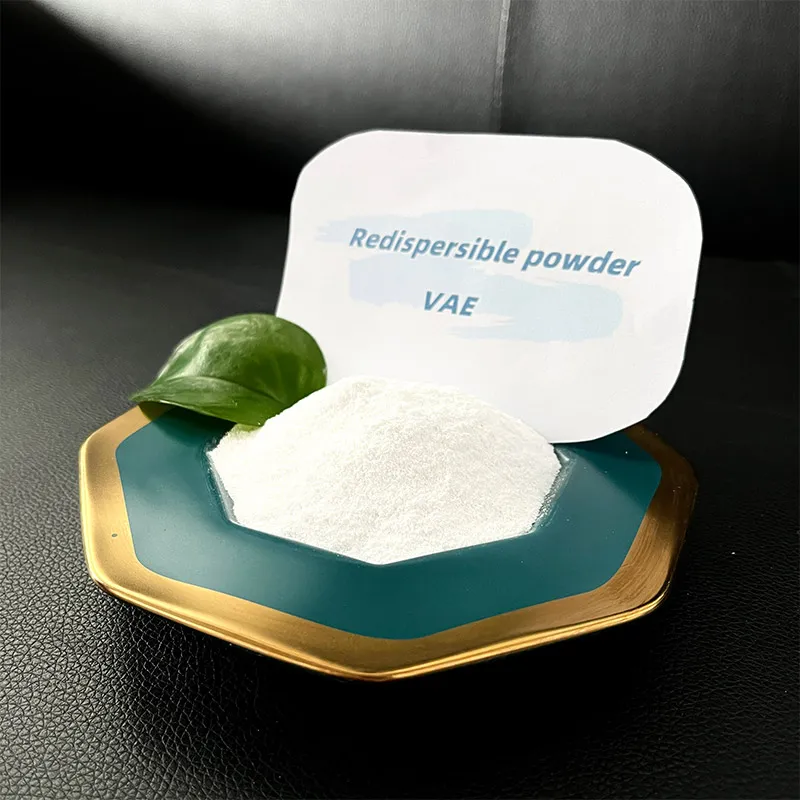
-
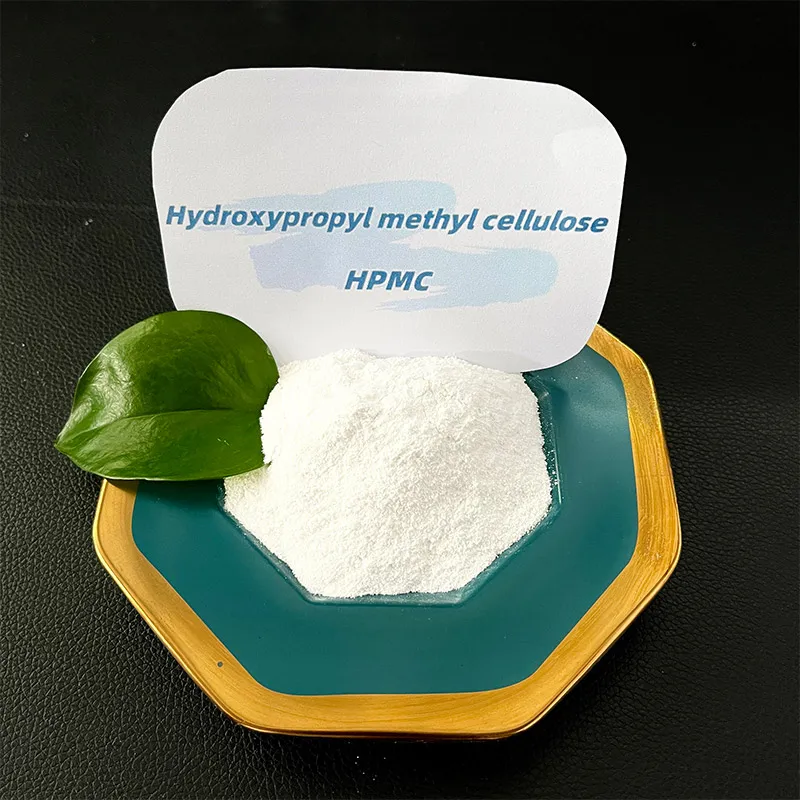 hydroxypropyl_methylcellulose_in_hair_products
Oct . 25, 2025
Starch ether has rapidly become a vital additive in dry mortar technologies, especially for tile adh -
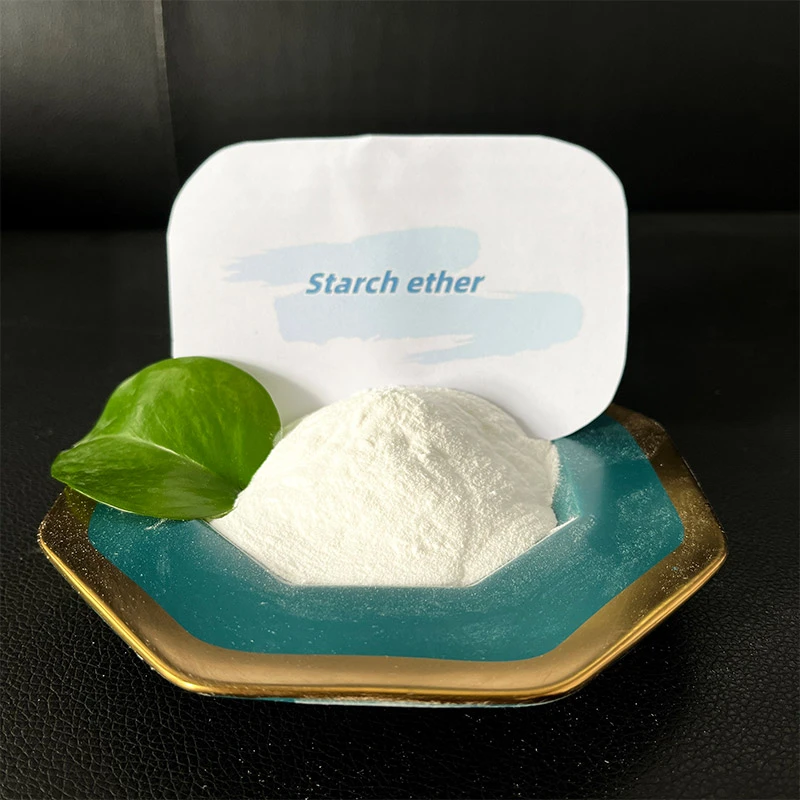 hydroxypropyl_methylcellulose_properties
Oct . 25, 2025
Polyolefin fibers, especially polypropylene fiber , have become increasingly popular in various indu -
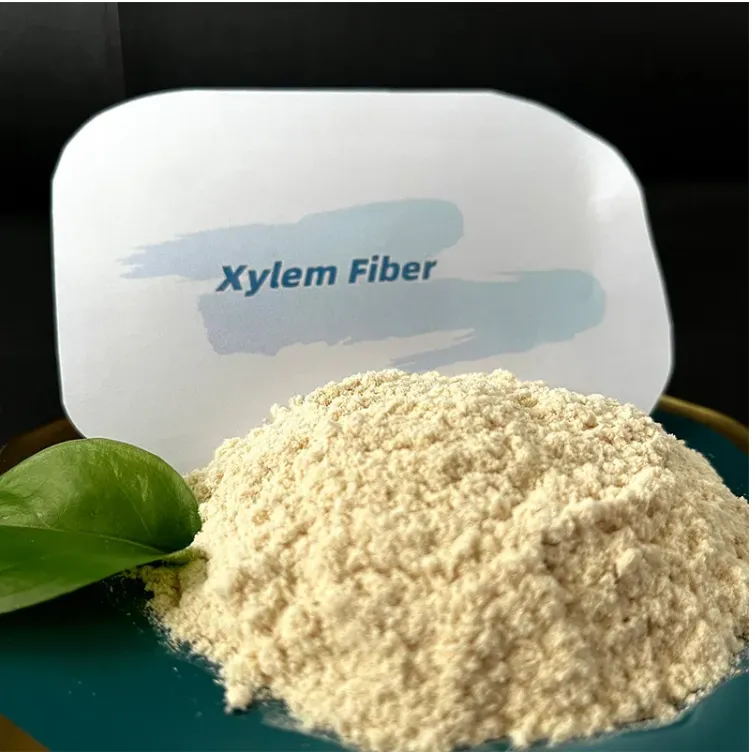 fibrillated_polypropylene_fibers
Oct . 25, 2025
The Advantages of Glass Fiber Reinforced Polypropylene In recent years, the demand for advanced mate


